One of the many perks of being a homeowner is that even if you have a small yard or garden, you can enjoy the luxury of having and planting your own trees. But for people who live in apartments, they never get a chance of growing something this huge.
What if they can get a mini version of it? There are ways to grow these on smaller scales. Bonsai, a term that is no longer new for anyone. Bonsai, though being a Japanese term, was first born as an art in China.
The art of growing Sequoia bonsai trees is truly fascinating. Growing up to 164 to 279 feet and measuring up to 26 feet in diameter, Giant Sequoias are Earth’s largest single trees. Its bark grows up to 3 feet thick and has branches that measure even 8 feet in diameter.
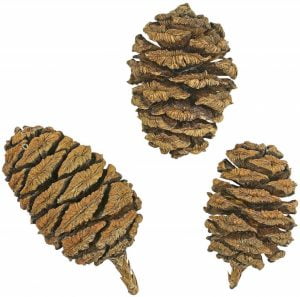
A Sequoia can have up to 11,000 pine cones during its lifetime. One cone has between 30 to 50 scales where the seeds are found. However, only one of them needs to reproduce to perpetuate the Sequoia species.
Cultivation Points for Giant Sequoia
Soil
Sequoiadendron Gigantum, commonly known as Giant Sequoia, prefers moist soil. They have shallow roots, so use a shallow pot. They do not prefer deep soil. You can use a mixture of 40% Akadama, 45% Kiryu and some peat. Provide consistent moisture. Occasional soaking is good for them, but occasional drying is very bad for sequoia.
Branches
Keep the branches short as in the wild. Cut through the existing branches to give shape to your plant. Overgrowth of branches will cause imbalances in the tree’s aesthetic. Many people prefer cutting the branches at a 45 degrees angle; however, it is not a mandatory measurement.
Shaping and Pruning
Redwood Bonsai Trees are in the dormant stage during the late winters. It is mistaken to miniaturize the giant sequoia by withholding moisture.
Miniaturization must be done with bonsai techniques such as selective branch pruning. They are self-pruning in the roots. Pruning allows your plant to recover from the last series of cuts, just in before the spring growth. January and February are the nest pruning months.
Fertilizing
The best fertilizer for Sequoia bonsai trees is the one that comes with a balanced amount of Potassium, Phosphorus, and Nitrogen. A 10-5-5 ratio, 12-6- 6, or an NPK ratio of 18-6-12 are ideal ratios for species such as Dawn Redwood. Avoid fertilizers with higher Nitrogen concentration as they might cause issues like a canker. In general, these plants work best with iron-rich fertilizers.
Before feeding your Bonsai, ensure that your tree is well-established. Once the initial phase has passed, it is safe to fertilize your Sequoia Bonsai tree every year. Place the fertilizers near the roots. You will need 3-4 Pounds of fertilizer for every inch of the trunk’s diameter.
Watering
During the winters in cold climates, the danger is not cold but dehydration. These temperatures, which are below freezing levels, can also cause the trees to dehydrate. It is better to spray the foliage once or twice a day in the morning and evening.
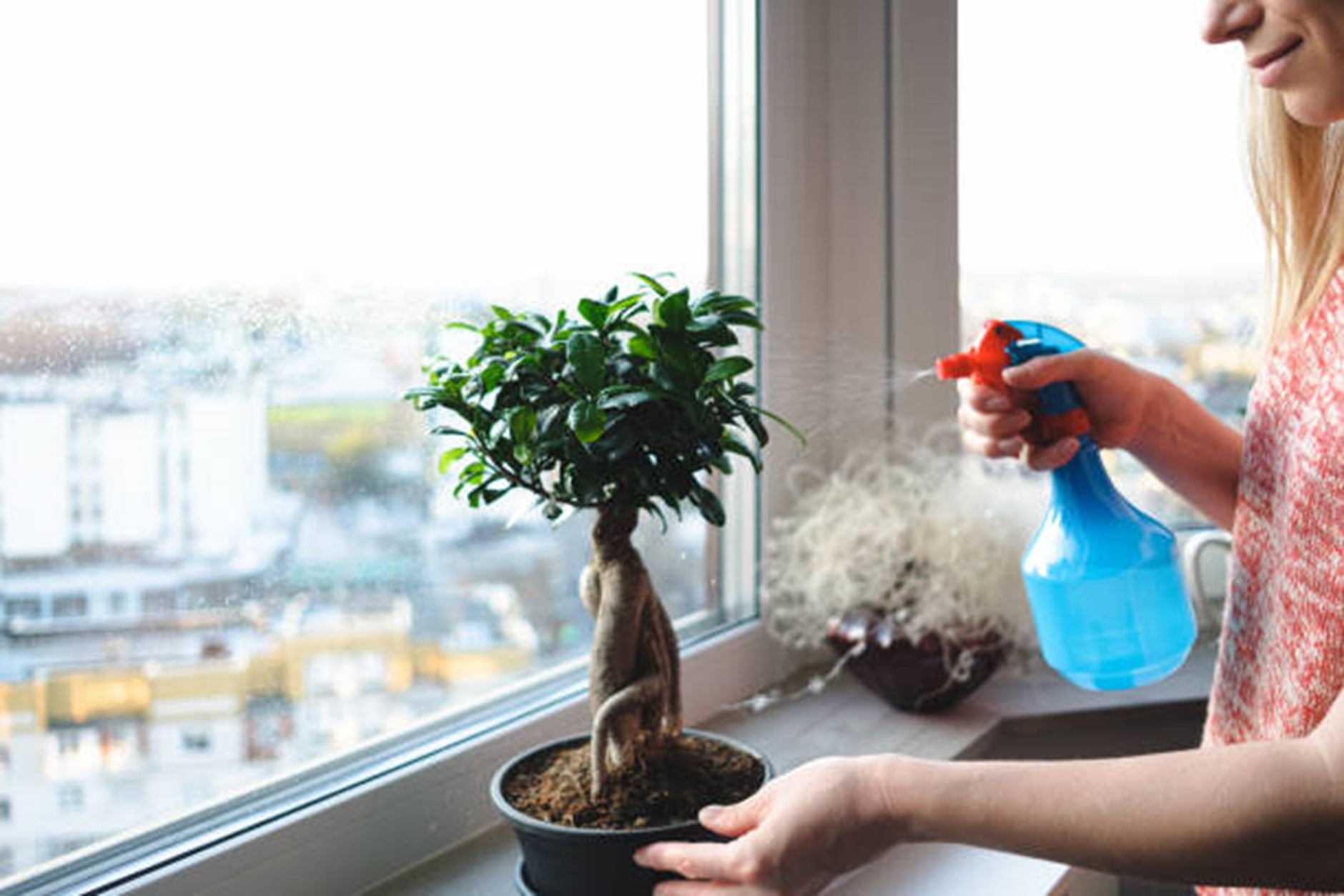
Everyday watering is essential for checking the soil’s moisture level and avoiding both under and overwatering. If you see that the soil surface has started to get dry, it is time to add some water to the container.
Pests
Wasps eat the bark to make nests. Use sprays against them for the healthy growth of plants.
Placement
Giant Sequoia is an outside tree. They love full sun and need direct sun for a portion of the day during the growing season to maintain vitality. Sequoias can suck all the moisture from the container quickly and dry out the soil, so when it is blistering hot, move it to some shadier spot to avoid drying the roots.
Caring Sequoia Bonsai
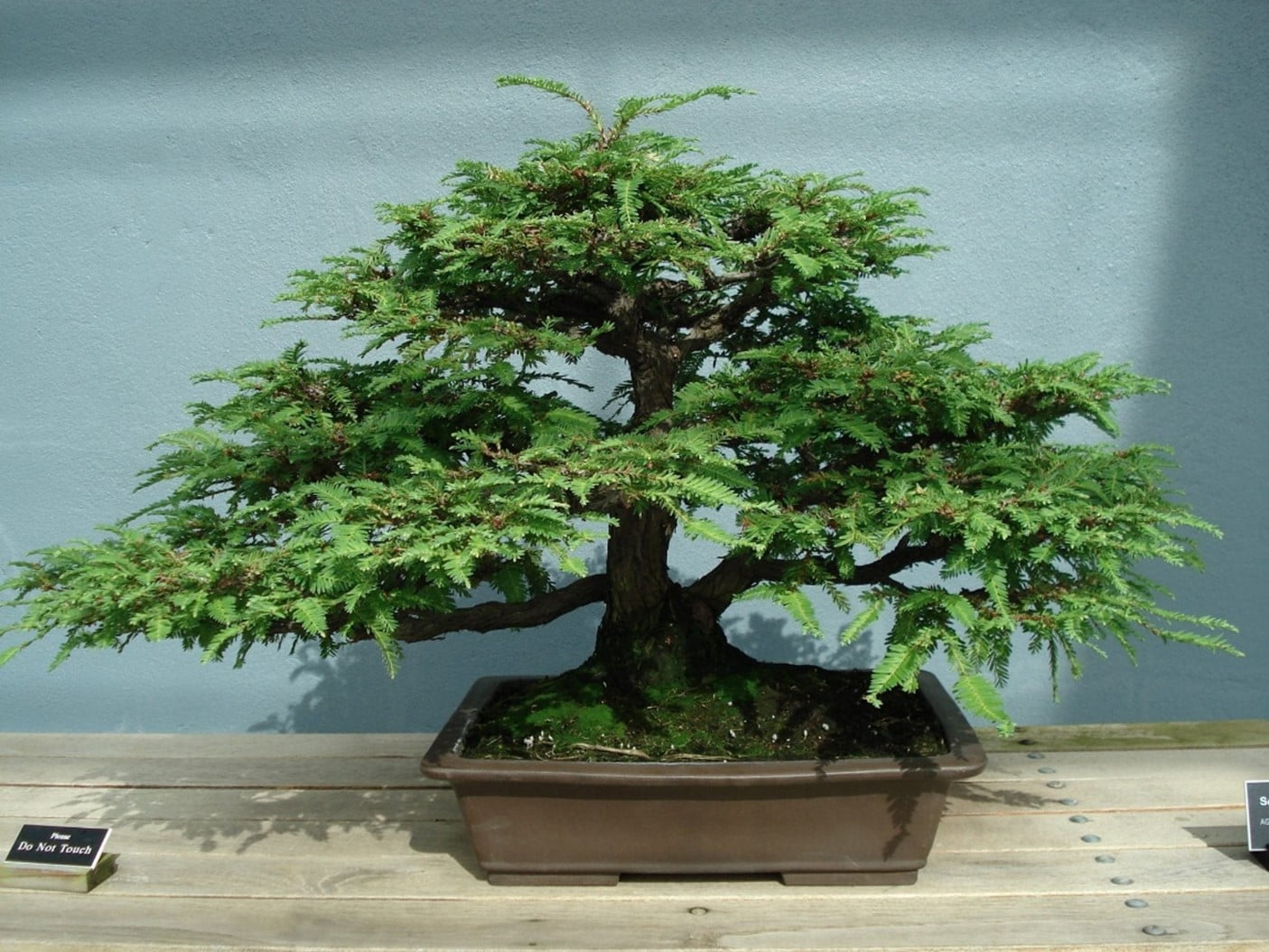
- Sequoia trees have seeds present in cones for more than 20 years, so it is better to work with the old trees as the seeds will be loose enough for reproduction.
- It is wiser to keep them at lower temperatures. Sequoia species such as Redwood Bonsai can be kept in refrigerators. Since these species take time to grow, you need to be patient with them
- Understand that they are slow-growing species. So, do not shake the plant from time to time to lose seeds and better reproduction.
- Never try to withhold the growth of Giant Sequoia by cutting down on its feeding. Apply correct pruning and cutting techniques to grow them healthy.
- During the growing season, feed the tree properly, although you can cut down on its food during winters if you want.
- Take special care of them in winters, as not only frost but lack of water can also cause dehydration.
- In case of too much heat during summers, keep the tree inside. These trees remain dormant during the winters, which means they will not absorb moisture to replace those lost inside the room.
- Keep the tree in its natural proportions. Be patient, and it takes a lot of time for the Giant Sequoia trees to achieve perfection.
Conclusion
Apart from their tremendous size, Sequoia plants are long-living, tall, strong, and almost indestructible. This is the reason why they are dinosaurs.
So, it is truly incredible that we can grow such a huge and tremendous-sized plant-like Giant Sequoia in something as small as a flowerpot. The art of Sequoia Bonsai gives you the chance to grow them in houses.
However, Sequoia Bonsai trees requires a lot of patience, firstly because they are slow-growers and secondly, they also require frequent watering and moist soils to remain alive.
We have tried our best to bring all the important steps together in this article so that you can grow this miniature version of the proudest and powerful tree in the world right in your home.
Happy Planting!


