For many people, the two words “pump” and “motor” are interchangeable. They have vague understandings of what they mean, but these words carry a great deal of weight for hydraulics professionals. The difference between a pump and motor is huge for hydraulic systems in general, but most importantly when it comes to designing them!
Hydraulic pumps and motors are both used for hydraulic fluid. The difference between them is how they use the hydraulic fluid to transfer power, either rotary or linear motion. The other difference is how they are used: one moves the liquid in a closed system (like inside your car), while the other moves it outside of a closed system (like in construction)
However, if you are looking at them more closely, there’s not much else that distinguishes them from each other. To help clear up any confusion, it is important to understand these differences to make an informed decision. In this post, we’ll break down the differences in detail and answer any questions you might have about them!
What Is a Hydraulic Pump? How Does It Work?
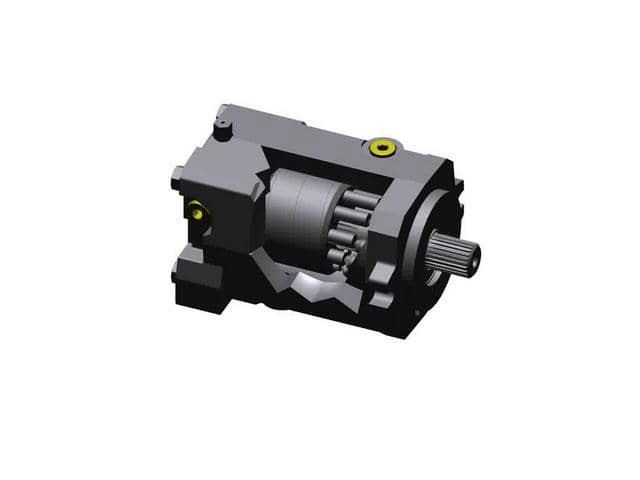
A hydraulic pump is a device that converts rotational energy into fluid pressure. The hydraulic pump does so by flowing fluid through an incompressible tube (or pipes), resulting in a higher pressure at the end of the tube. This increased pressure then pushes liquid or gas to move objects connected to the ends of the pipe.
A hydraulic pump consists of a rotating motor-driven shaft with cups on either side. The shaft is rotated by the motor to which it is connected via belts, chains, or gears and these cups are where liquid enters the device. The rotation creates pressure on one end and suction at the other, this action being controlled by valves that stop fluid from flowing drive to the machine.
Hydraulic pumps can be used in many different applications, including agriculture, construction, mining equipment, and more!
There are three types of hydraulic pumps:
- Rotary vane pump
- Screw pumps
- Piston pumps.
A hydraulic pump provides several benefits, including:
- The ability to provide continuous pressure by constantly rotating while pumping.
- Provides more power than other pumps.
- The possibility for the fluid flow to be reversed and return into the tank when not in use.
What Is a Hydraulic Motor and How Does It Work?
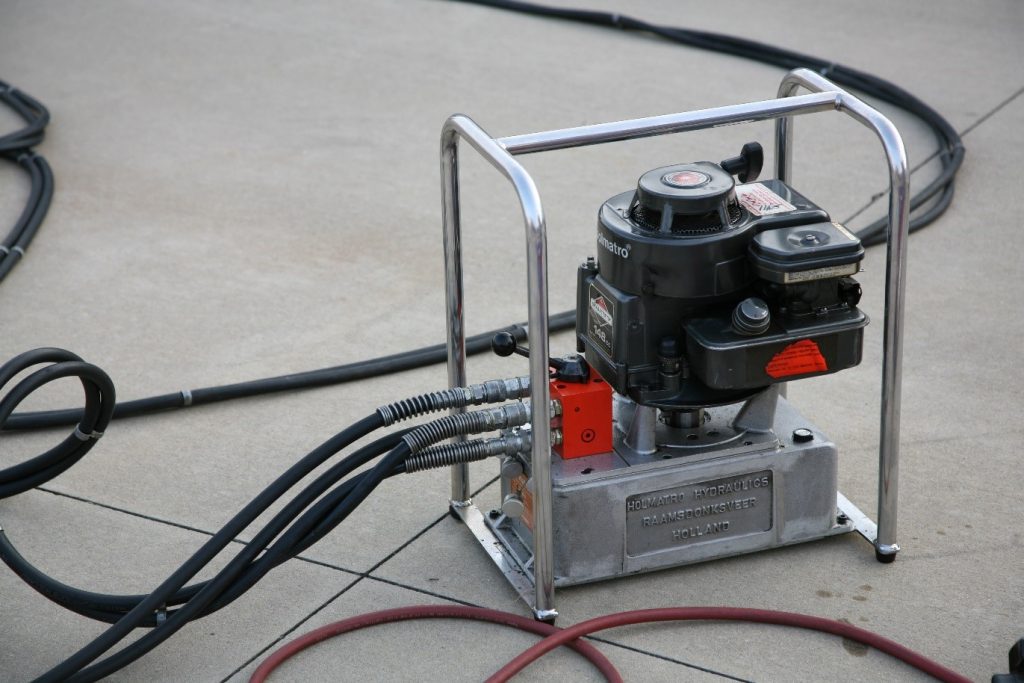
A hydraulic motor is also an energy conversion device, but it converts fluid pressure into rotary motion in contrast to its counterpart. The hydraulic motor passes fluid from one tank to another through a “mixed flow” chamber fitted with spinning vanes. The vanes convert the fluid pressure into rotational motion, which then turns a shaft to drive an attached machine or mechanism.
Hydraulic motors are preferable for high-torque applications such as those found in construction machinery and bulldozers due to their ability to produce more power while still having less weight than other options (such as electric motors).
There are two types of hydraulic motors; they are:
- vane and gear motors
- piston and plunger motors.
The Differences Between the Two, Including Advantages/Disadvantages of Each Type of Pump or Motor.
The two types of hydraulic devices differ in that they convert rotational energy into either fluid pressure or, respectively, fluid pressure to rotation.
Hydraulic pumps create pressure by drawing fluid from one side into another; whereas hydraulic motors use electric power to spin a wheel or turbine inside them – this generates pressure as well as movement.
A hydraulic pump is an energy device. A hydraulic motor is an actuator that converts fluxional motion from one tank to another through a “mixed flow” chamber fitted with spinning vanes, producing rotary motion.
Advantages/Disadvantages of Each Type:
Advantages of Hydraulic Pump:
- Low maintenance – Reliable
- High power density
- there are no moving parts inside it – this means less maintenance over time.
- Another perk with having a self-contained system like this is that if anything goes wrong, it won’t affect other parts of your machine (plus there’s no risk of leaks!)
Disadvantages of Hydraulic Pump:
- Some hydraulic pumps are not as durable.
- The running cost of a motor is higher when it has to start up the pump (up to $500)
- Require a source of compressed air.
- Often need to be installed outside the machine for easy access and maintenance.
Advantages of Hydraulic Motor:
- Produces more power than other pumps.
- Less weight comparably, which is preferable for high torque applications such as those found in construction machinery or bulldozers.
Disadvantage of Hydraulic Motors:
- Require a source of compressed air.
- More expensive than hydraulic pumps
- The pressure can be constant because it continuously rotates while pumping, but this requires a source of compressed air and often needs to be installed outside the machine for easy access.
- They are more expensive than hydraulic pumps.
Which One Should I Choose for My Project – Which One Would Be Best for Me?
This will depend on the type of project you want to use it for, so I would recommend checking the advantages and disadvantages of each. Also, consider the size, like what size hydraulic pump for log splitter is needed to be considered.
How Does the Cost Affect Which One You Choose to Go With (If There Is A Price Difference)?
Generally, hydraulic motors are more expensive than hydraulic pumps. However, the installation cost might be more with a hydraulic pump than with a hydraulic motor; two have their own advantages and disadvantages. If you need to choose one to use for your project, it will depend on the type of project you want to use it for.
Conclusion
In conclusion, we hope you can use this info on the difference between a hydraulic pump and a hydraulic motor for your needs. Thanks!


